


 English
 русский
 Español
 عربى
عربى 中文简体
中文简体

FTTH 버터플라이 광 케이블: 실제 설계, 설치 및 배포 가이드
What Are FTTH Butterfly Optic Cables
FTTH Butterfly Optic Cables, also known as flat drop fiber cables, feature a compact flat profile with optical fibers placed at the center and reinforced by parallel strength members on both sides. The outer sheath is typically LSZH or PVC, optimized for indoor and outdoor environments. This structural design enhances tensile strength while maintaining flexibility, which is critical for residential and commercial fiber access networks.
These cables are widely used in FTTH networks, fiber optic drop cable systems, and building entry solutions where space efficiency and mechanical reliability are required. Compared to traditional round cables, the butterfly configuration reduces bending stress and simplifies routing along walls, corners, and conduits.
Structural Design and Materials
Core Fiber Options
FTTH Butterfly Optic Cables typically use single-mode fibers such as G.657A1 or G.657A2, which offer superior bend resistance. These fibers are optimized for tight indoor routing and reduce signal loss in compact installation environments.
Strength Members and Sheathing
- FRP or steel wire strength members provide high tensile performance for aerial and indoor pulling.
- LSZH jackets improve fire safety and reduce toxic emissions in indoor fiber optic installations.
- UV-resistant PE sheaths allow outdoor and wall-mounted FTTH cable routing.
Advantages in FTTH Network Deployment
FTTH Butterfly Optic Cables provide a balance between durability and ease of installation. Their flat geometry prevents rolling and twisting during deployment, which significantly reduces installation time and labor costs in fiber access projects.
- Space-saving design suitable for indoor fiber distribution boxes and wall-mounted routing
- Improved bending performance for tight turns in apartments and office buildings
- High tensile strength for aerial FTTH drop cable installations
Typical Application Scenarios
These cables are widely deployed in last-mile fiber optic solutions where reliability and neat appearance are required. Common scenarios include residential FTTH access, commercial building fiber distribution, and campus network expansions.
| Application Area | Installation Environment | Key Benefit |
| Residential FTTH | Indoor / Outdoor | Easy routing and low signal loss |
| Commercial Buildings | Indoor shafts and corridors | Compact layout and fire safety |
| Aerial Drops | Outdoor spans | High tensile performance |
Installation Best Practices
Proper installation is essential to maintain optical performance and mechanical integrity. Installers should follow recommended bend radius guidelines and avoid excessive pulling forces during deployment.
- Use appropriate fiber clamps for flat drop cable profiles
- Maintain minimum bend radius, especially near terminals and ONT locations
- Secure cables evenly to prevent localized stress points
Selecting the Right FTTH Butterfly Optic Cable
Choosing the correct cable specification depends on installation environment, distance, and regulatory requirements. Factors such as fiber type, jacket material, and strength member composition directly affect long-term network performance.
For indoor-only projects, LSZH flat fiber drop cables are recommended. Mixed indoor-outdoor deployments benefit from UV-resistant jackets and enhanced tensile designs. Understanding these parameters ensures compatibility with existing FTTH infrastructure and reduces maintenance costs.
Future Trends in FTTH Butterfly Optic Cables
As gigabit broadband and smart home adoption continue to grow, FTTH Butterfly Optic Cables are evolving to support higher fiber counts, improved bend resistance, and faster installation techniques. Manufacturers are also focusing on eco-friendly materials and pre-terminated solutions to further simplify deployment.
These developments position butterfly optic cables as a long-term solution for scalable fiber access networks, supporting increasing bandwidth demands while maintaining cost efficiency.
' target="_blank"> FTTH 버터플라이 광 케이블 고속 광섬유-가정 배치에 대한 증가하는 수요를 충족하도록 특별히 설계되었습니다. 편평한 나비 모양 구조는 광섬유와 강도 부재를 결합하여 실내 배선, 드롭 케이블 설치 및 최종 네트워크 구축에 이상적입니다. 이 기사에서는 네트워크 계획자, 설치자 및 조달 팀이 정보에 근거한 결정을 내리는 데 도움이 되는 실제 배포, 구조적 특징, 성능 이점 및 실제 애플리케이션 시나리오에 중점을 둡니다.FTTH 버터플라이 광케이블이란 무엇입니까?
플랫 드롭 광섬유 케이블로도 알려진 FTTH 버터플라이 광 케이블은 광섬유가 중앙에 배치되고 양쪽에 평행 강도 부재로 강화된 콤팩트한 플랫 프로파일이 특징입니다. 외부 피복은 일반적으로 실내 및 실외 환경에 최적화된 LSZH 또는 PVC입니다. 이 구조 설계는 주거용 및 상업용 광섬유 액세스 네트워크에 중요한 유연성을 유지하면서 인장 강도를 향상시킵니다.
이 케이블은 공간 효율성과 기계적 신뢰성이 요구되는 FTTH 네트워크, 광섬유 드롭 케이블 시스템 및 건물 입구 솔루션에 널리 사용됩니다. 기존 원형 케이블에 비해 나비형 구성은 굽힘 응력을 줄이고 벽, 모서리 및 도관을 따라 라우팅을 단순화합니다.
구조 설계 및 재료
코어 파이버 옵션
FTTH 버터플라이 광 케이블은 일반적으로 뛰어난 굽힘 저항을 제공하는 G.657A1 또는 G.657A2와 같은 단일 모드 광섬유를 사용합니다. 이 광섬유는 긴밀한 실내 라우팅에 최적화되어 있으며 소형 설치 환경에서 신호 손실을 줄입니다.
강도 부재 및 외장
- FRP 또는 강철 와이어 강도 부재는 공중 및 실내 당김에 높은 인장 성능을 제공합니다.
- LSZH 재킷은 화재 안전을 향상시키고 실내 광섬유 설치 시 독성 방출을 줄입니다.
- UV 방지 PE 외장을 사용하면 실외 및 벽면 장착형 FTTH 케이블 라우팅이 가능합니다.
FTTH 네트워크 구축의 장점
FTTH 버터플라이 광 케이블은 내구성과 설치 용이성 사이의 균형을 제공합니다. 평평한 형상은 배포 중 롤링과 비틀림을 방지하여 광케이블 액세스 프로젝트에서 설치 시간과 인건비를 크게 줄여줍니다.
- 실내 광섬유 배전함 및 벽걸이 라우팅에 적합한 공간 절약형 디자인
- 아파트 및 사무실 건물의 급회전 시 굽힘 성능 향상
- 공중 FTTH 드롭 케이블 설치를 위한 높은 인장 강도
일반적인 애플리케이션 시나리오
이 케이블은 신뢰성과 깔끔한 외관이 요구되는 라스트 마일 광섬유 솔루션에 널리 배포됩니다. 일반적인 시나리오에는 주거용 FTTH 액세스, 상업용 건물 광섬유 배포 및 캠퍼스 네트워크 확장이 포함됩니다.
| 적용분야 | 설치환경 | 주요 이점 |
| 주거용 FTTH | 실내/실외 | 쉬운 라우팅 및 낮은 신호 손실 |
| 상업용 건물 | 실내 샤프트 및 복도 | 컴팩트한 레이아웃과 화재 안전 |
| 공중 방울 | 실외 스팬 | 높은 인장 성능 |
설치 모범 사례
광학 성능과 기계적 무결성을 유지하려면 올바른 설치가 필수적입니다. 설치자는 권장 굴곡 반경 지침을 따르고 배치 중에 과도한 당기는 힘을 피해야 합니다.
- 플랫 드롭 케이블 프로파일에 적합한 파이버 클램프를 사용하십시오.
- 특히 터미널 및 ONT 위치 근처에서 최소 굴곡 반경을 유지하십시오.
- 국부적인 응력 지점을 방지하기 위해 케이블을 고르게 고정합니다.
올바른 FTTH 버터플라이 광 케이블 선택
올바른 케이블 사양을 선택하는 것은 설치 환경, 거리 및 규정 요구 사항에 따라 다릅니다. 섬유 유형, 재킷 재료, 강도 부재 구성과 같은 요소는 장기적인 네트워크 성능에 직접적인 영향을 미칩니다.
실내 전용 프로젝트의 경우 LSZH 플랫 광섬유 드롭 케이블을 권장합니다. 실내외 혼합 배치는 UV 방지 재킷과 강화된 인장 설계의 이점을 누릴 수 있습니다. 이러한 매개변수를 이해하면 기존 FTTH 인프라와의 호환성이 보장되고 유지 관리 비용이 절감됩니다.
FTTH 버터플라이 광케이블의 미래 동향
기가비트 광대역 및 스마트 홈 채택이 계속 증가함에 따라 FTTH Butterfly Optic Cable은 더 많은 광섬유 수, 향상된 굽힘 저항 및 더 빠른 설치 기술을 지원하도록 발전하고 있습니다. 제조업체는 또한 배포를 더욱 단순화하기 위해 친환경 소재와 사전 종단 처리된 솔루션에 중점을 두고 있습니다.
이러한 개발로 인해 버터플라이 광 케이블은 확장 가능한 광섬유 액세스 네트워크를 위한 장기적인 솔루션으로 자리매김하여 비용 효율성을 유지하면서 증가하는 대역폭 요구를 지원합니다.
관련 상품
-
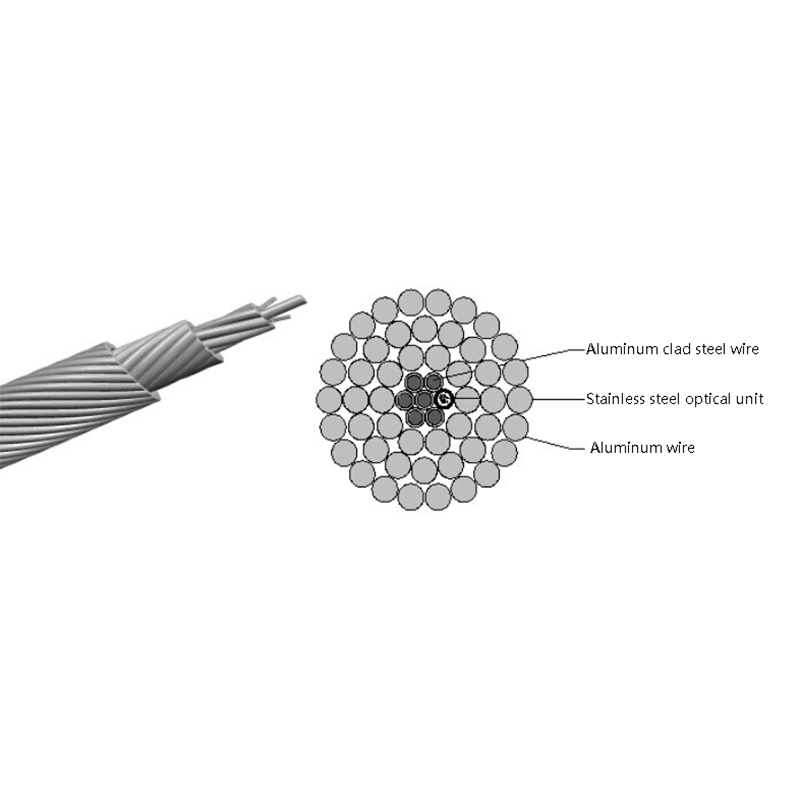
광위상 도체 OPPC 케이블
-
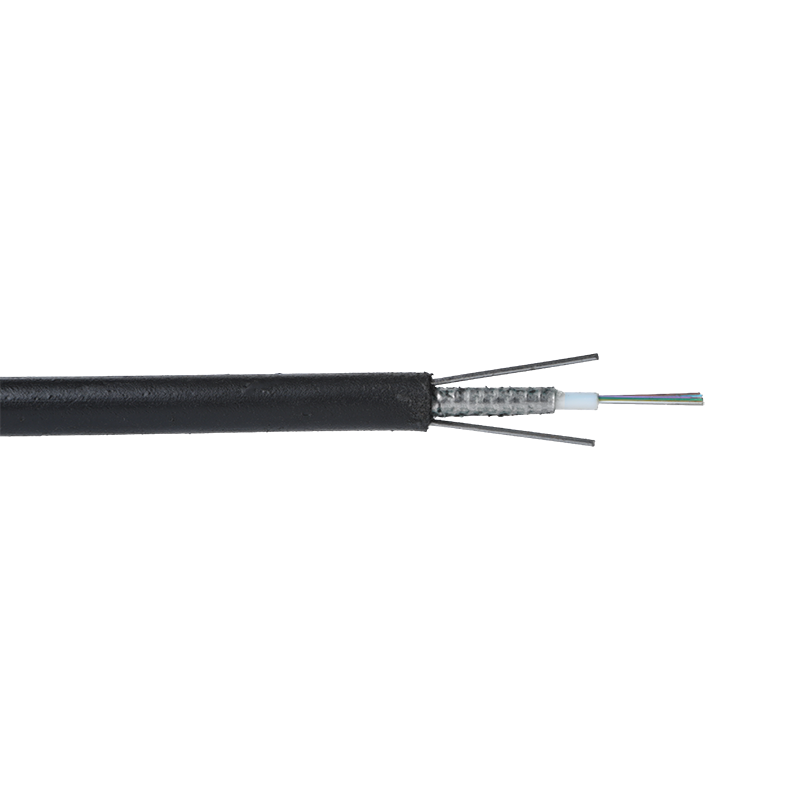
GYXTW 중앙 튜브 기갑 야외 광케이블
-
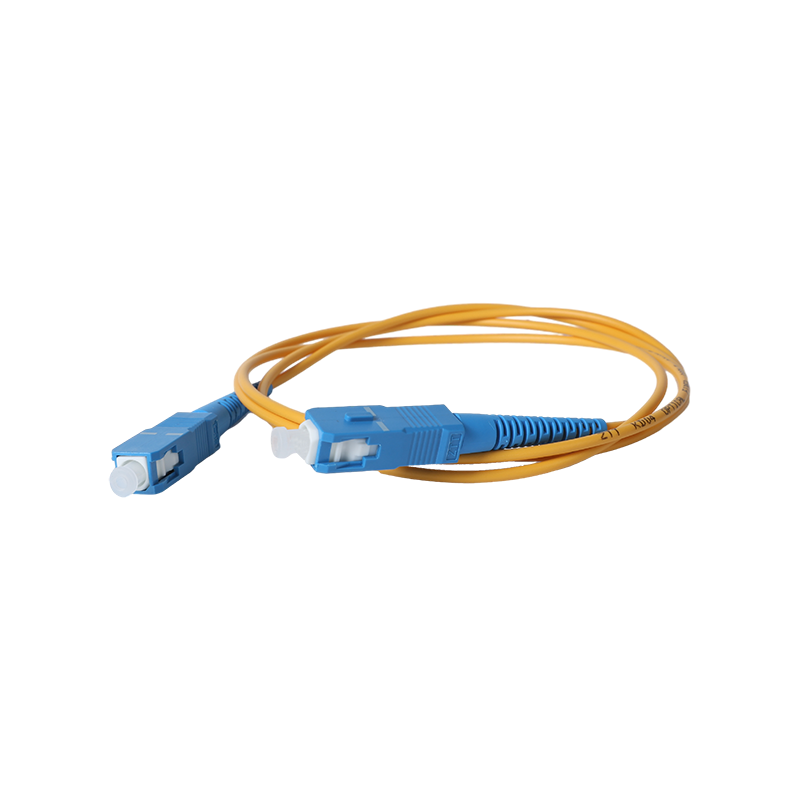
광섬유 패치 케이블
-
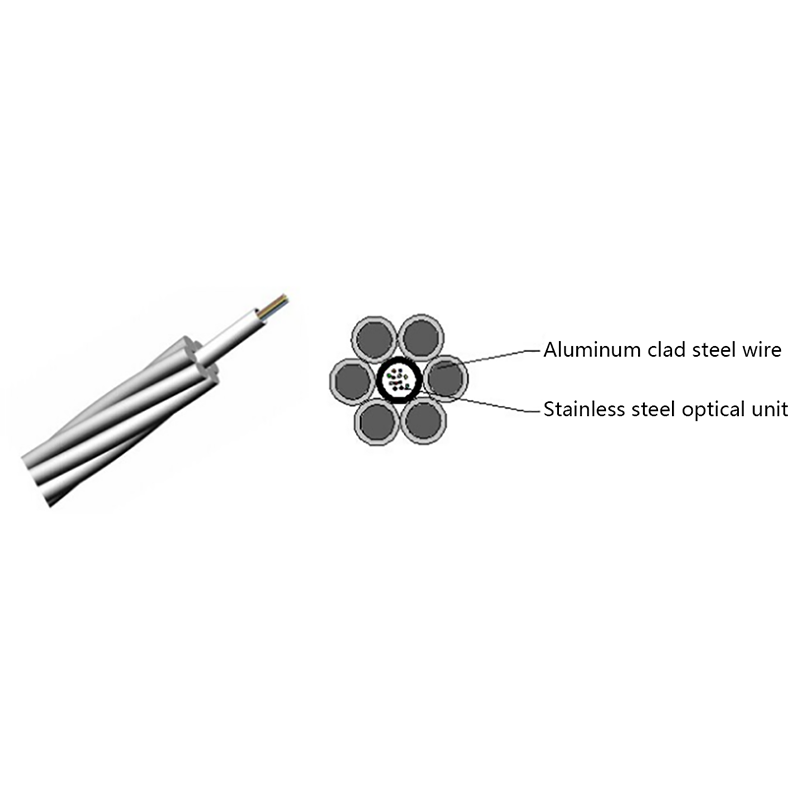
OPGW 광섬유 복합 오버헤드 접지선
-
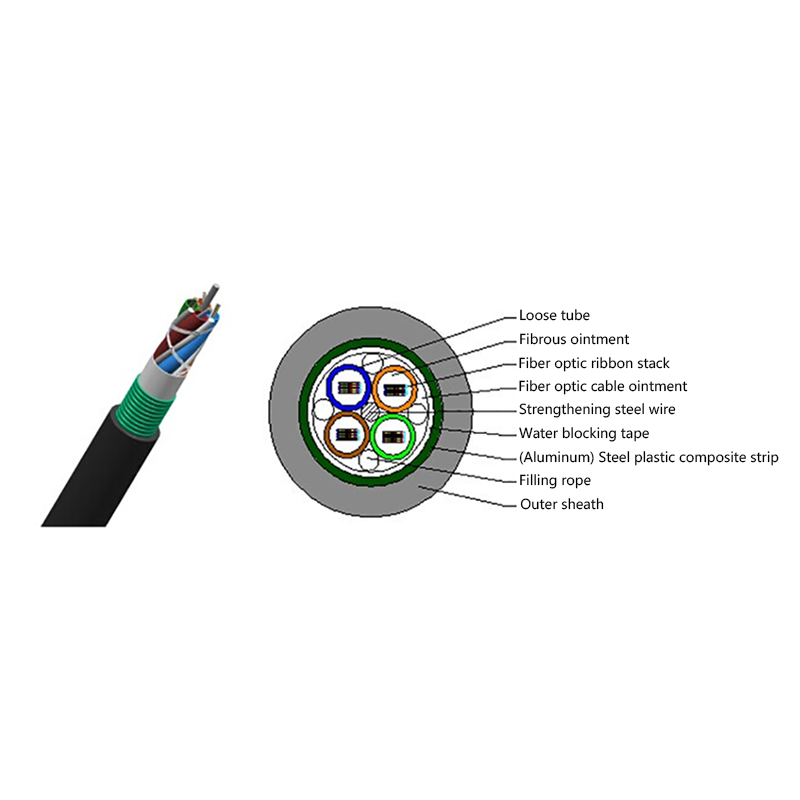
GYDTA(S) 레이어 연선 광섬유 리본 케이블
-
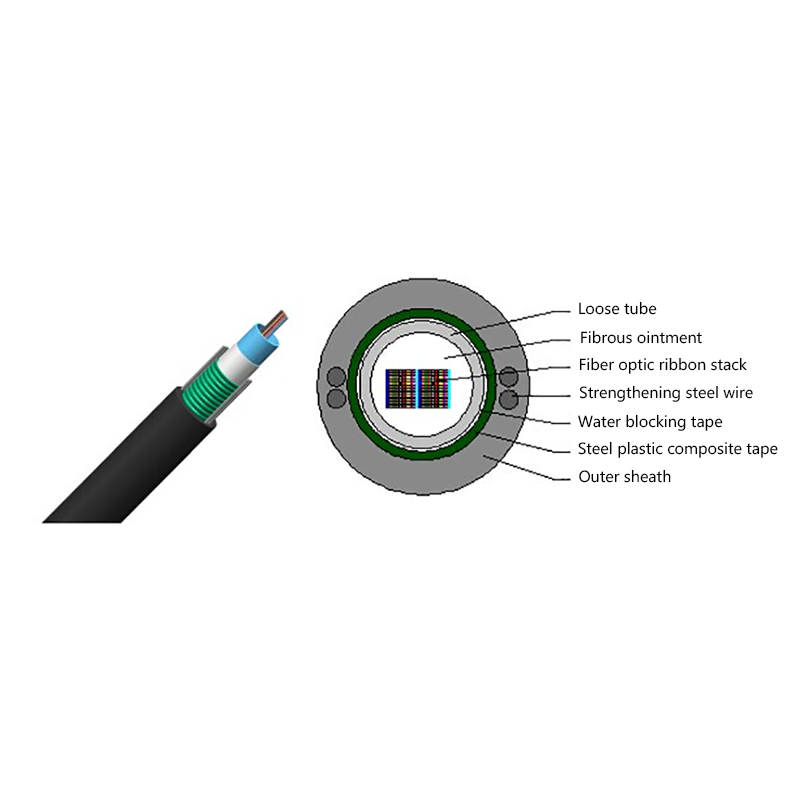
GYDXTW 센터 튜브 실외 광섬유 리본 케이블
-
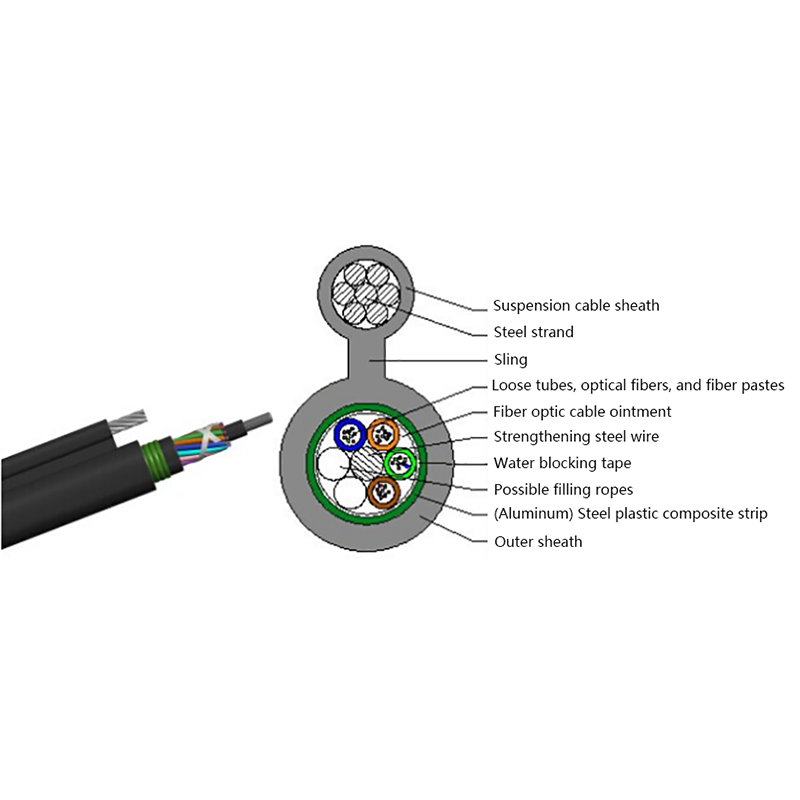
GYTC8A (S) 실외층 연선 8자형 자립형 광케이블
-
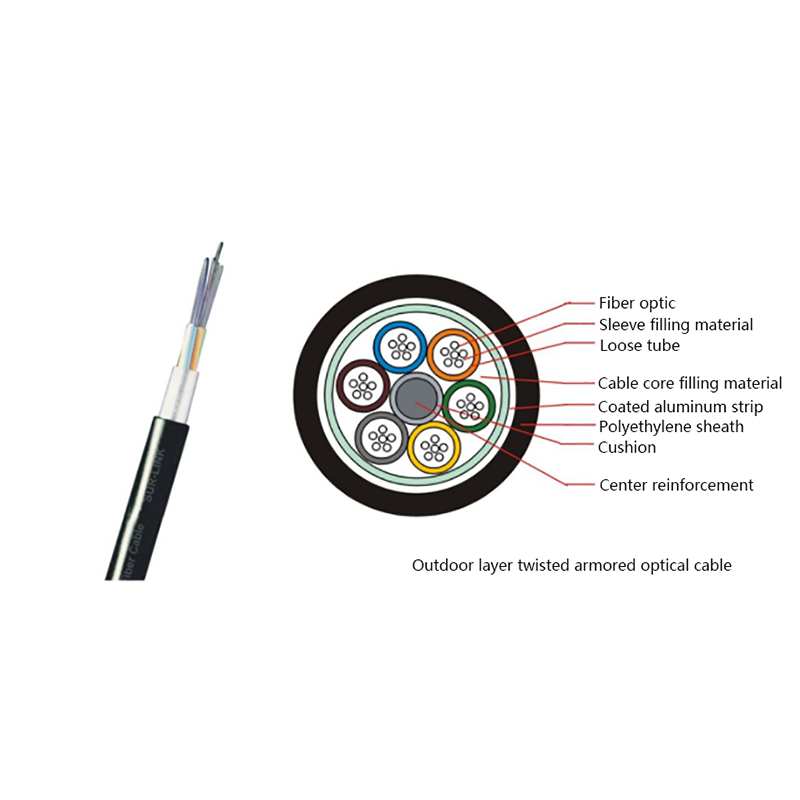
GYTA 층 연선 알루미늄-폴리에틸렌 보세 외장형 옥외 광케이블
-
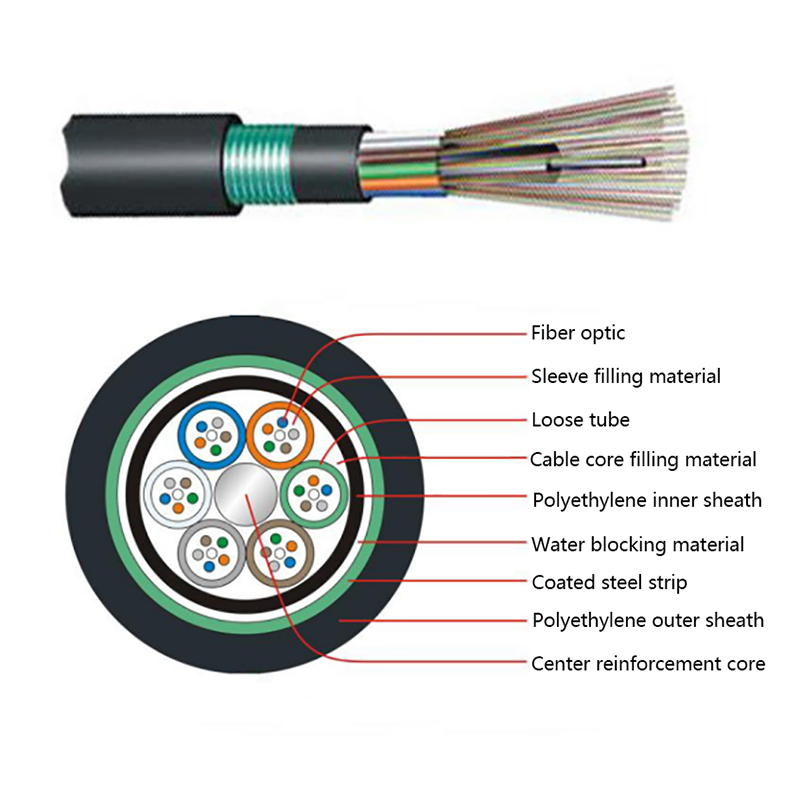
GYTY53 층 연선 PE 내부 피복 강철 테이프 기갑 외부 피복 광케이블
-
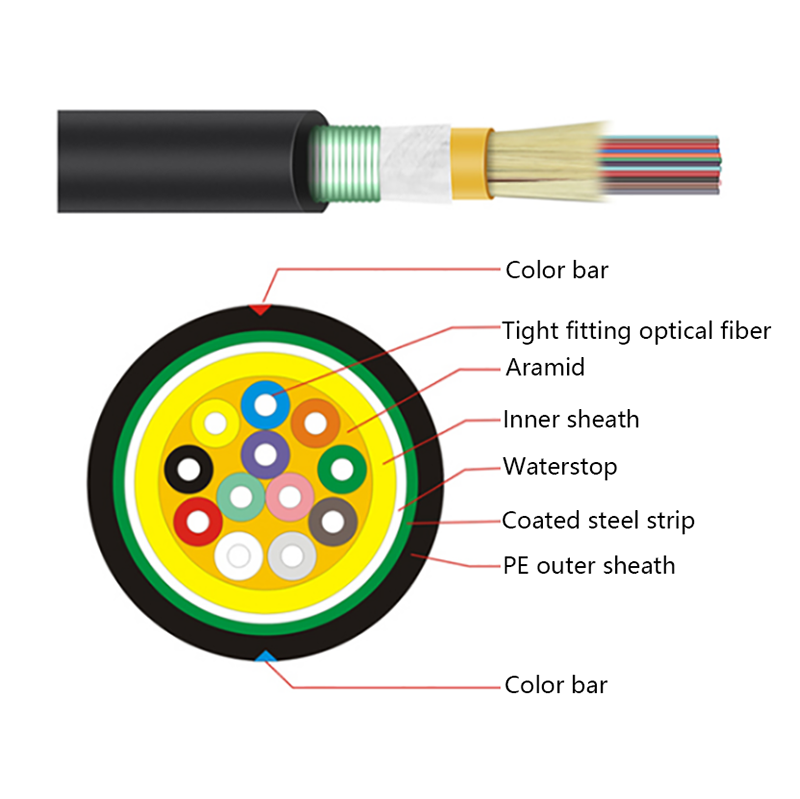
GJFJH53 실내 번들 강철 테이프 장갑 광케이블
-
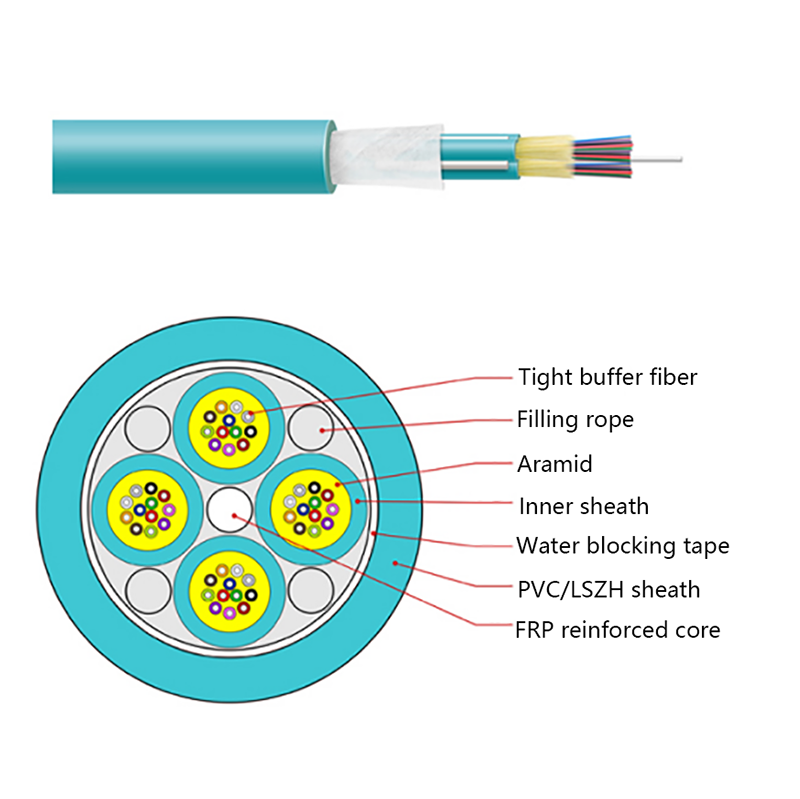
GJPFJV GJFJHV 실내 분기 광케이블
-
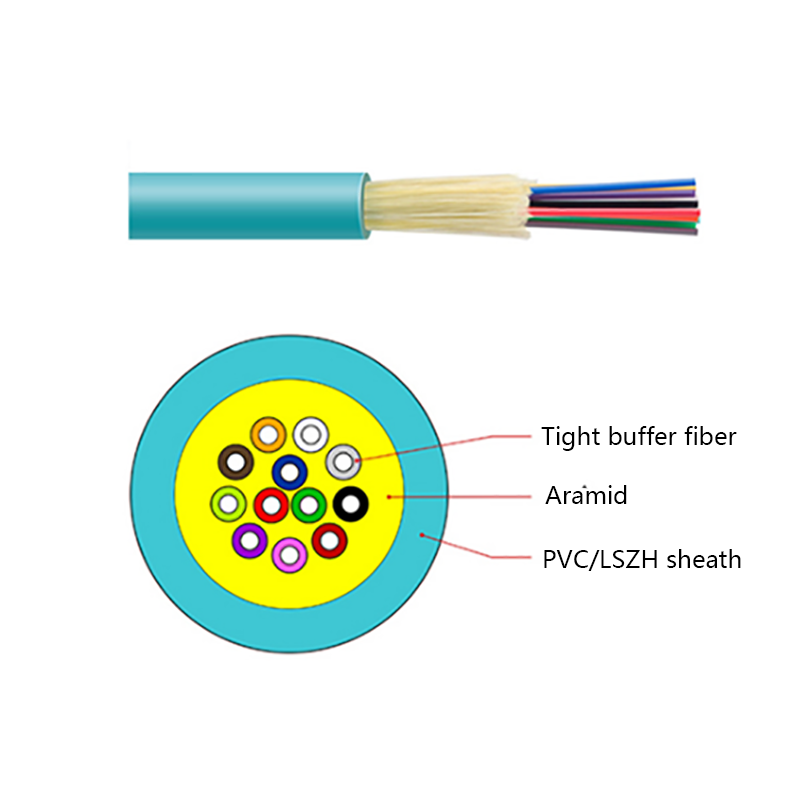
GJFJV 실내 단일 번들 광섬유 케이블
-
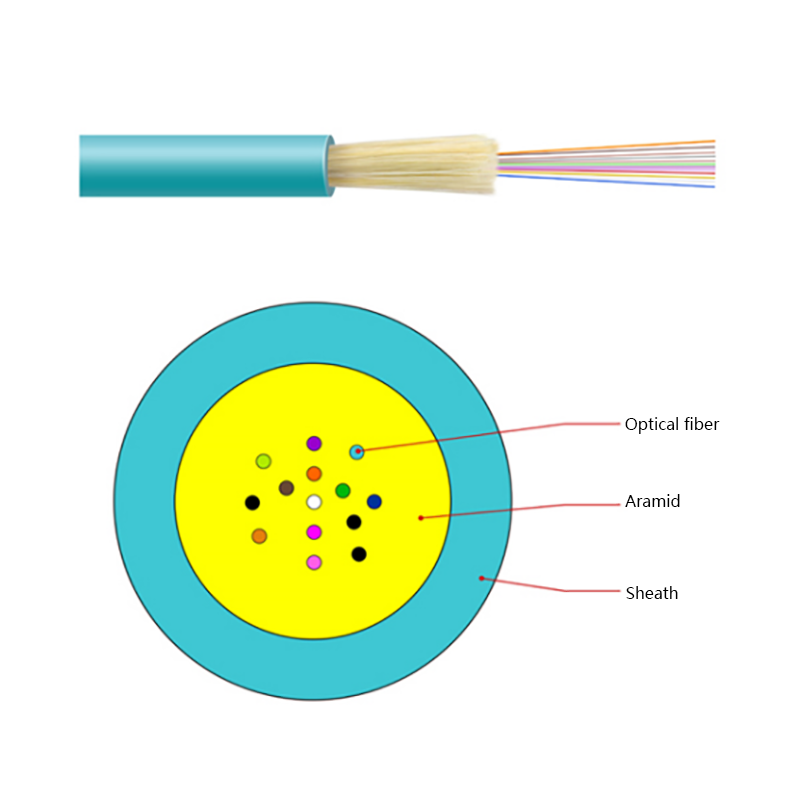
GJFV 실내 미니 번들 광섬유 케이블
-
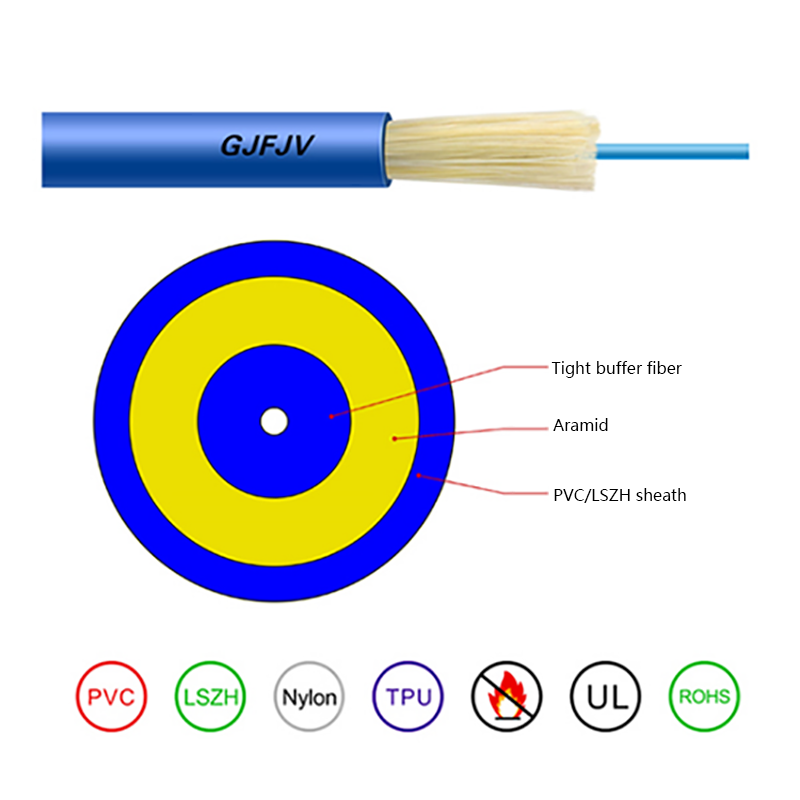
GJFJV 실내 단일 코어 점퍼 와이어 광케이블
-
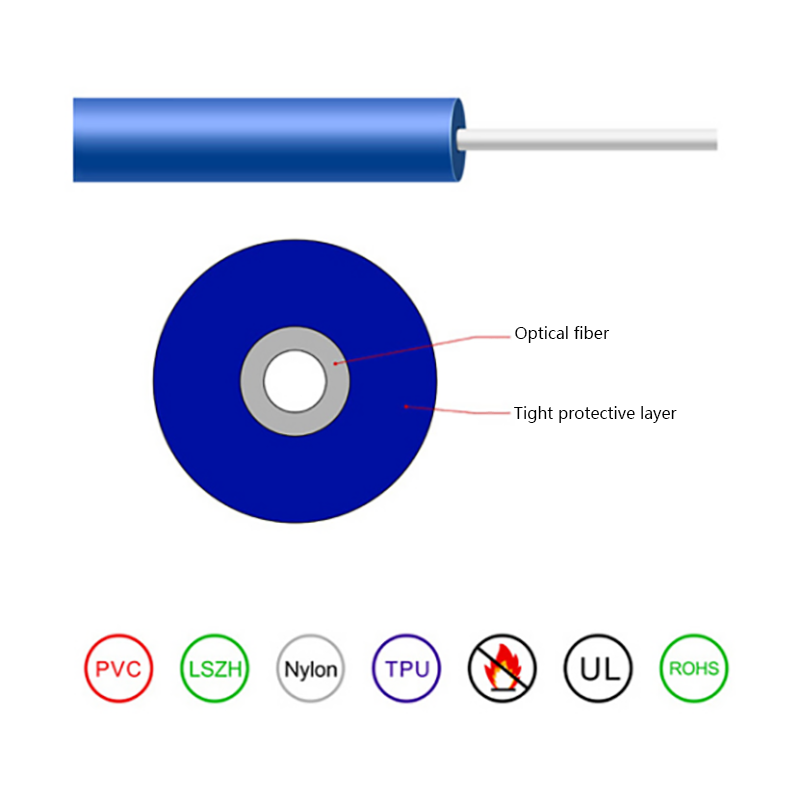
실내 꽉 버퍼링된 광섬유 케이블
-
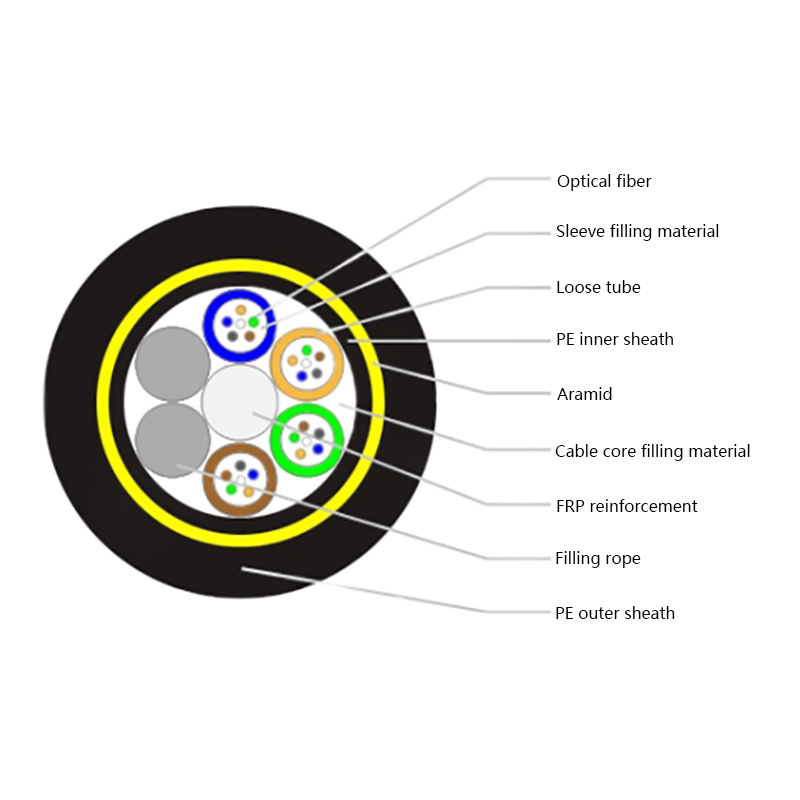
ADSS—전유전체 자립형 광케이블
-
다람쥐 방지 ADSS 광케이블
-
비금속 광케이블
사업 기회를 찾고 계십니까?
오늘 통화 요청

- Tel: +86-139-6297-6666
- Whatsapp: +86-13962991888
- E-mail: [email protected] / [email protected]
- Add: 중국 장쑤성 난통경제기술개발구 신징로 18호